Love
Understanding the neurobiology of attachment patterns, intermittent reinforcement, and the path toward genuine connection.
A Critical Truth: Uncertainty Reflects Unmet Needs
Your level of uncertainty in a relationship is directly proportional to the degree your fundamental needs remain unmet. When relational safety is compromised, a predictable pattern emerges: you will engage in fawning and overcompensatory behaviors, offering far more of yourself than is psychologically sustainable. This adaptive response originates from an unconscious perception of threat, rooted in early relational experiences where safety was inconsistent or conditional.
In contrast, when a relationship is genuinely safe, connection unfolds organically across time. Neither partner experiences the compulsion to prove their worth or provide excessive reassurance to prevent abandonment. The relationship does not require constant validation or performance to maintain stability.
When another person offers you an abundance of gifts, affirmations, or gestures framed as love, particularly when these feel overwhelming or disproportionate, this often signals not genuine affection, but rather their own dysregulated need for reassurance and validation. This pattern indicates the relational foundation lacks the security necessary for sustainable connection. Authentic love does not require excessive proof; it is demonstrated through consistent presence, reliability, and respect for boundaries.
What Is Limerance?
Limerance is a term used to describe an intense and often obsessive infatuation or romantic attraction. It's a state of being completely absorbed by another person, characterized by involuntary and often irrational thoughts about them. Unlike genuine love, limerance is self-focused: it's about how the other person makes you feel, not about their well-being as a person.
When you're in limerance, you experience a heightened sensitivity to their presence or absence. You find yourself daydreaming about them, imagining scenarios, and creating a fantasy version of who they are, often very different from the actual person. You become dependent on their responses and validation to create your own sense of well-being.
Limerance creates physical symptoms: increased heart rate, butterflies in the stomach, and a sense of euphoria when you think about them or receive their attention. You become preoccupied with them, unable to focus on other aspects of your life. You may find it difficult to see their flaws, instead idealizing them and overlooking red flags.
The critical difference: Limerance is not the same as genuine love. It is a state of infatuation and can become as addictive as any drug. Limerance creates a cycle of emotional highs and crashes, where your mood depends entirely on their responses and validation.
Self-Assessment: Are You Experiencing Limerence?
Take this brief interactive quiz to assess whether you may be experiencing limerence. This is a tool for self-reflection and awareness, not a clinical diagnosis. Your honest responses will help you understand your current emotional state and attachment patterns.
Limerence Self-Assessment Quiz
Take this brief interactive quiz to assess whether you may be experiencing limerence. This is a tool for self-reflection and awareness, not a clinical diagnosis. Your honest responses will help you understand your current emotional state and attachment patterns.
The quiz contains 10 questions. For each statement, you'll indicate your level of agreement on a scale of 1 (Strongly Disagree) to 5 (Strongly Agree). It takes about 2-3 minutes to complete.
The Origins: Fantasy as a Coping Mechanism
Many people who struggle with limerance developed this pattern in childhood. When you felt alone or anxious, and no one around you could calm you down, you learned to use fantasy as a survival tool. You imagined a person, a teddy bear, a sibling, a parent, an imaginary friend, someone who could take care of you and soothe your distress.
This fantasy served a purpose: it helped you regulate your nervous system when you had no other resources. Your brain learned that thinking about this protective figure could create the feeling of safety and connection. Over time, this pattern becomes deeply ingrained.
As you grew older, this childhood coping mechanism can become romanticized. Instead of an imaginary friend, you begin to seek a real person who can fulfill this role. You project onto them the qualities of your fantasy protector. You become emotionally dependent on their responses and validation to create your own sense of wellbeing, just as you once relied on your fantasy.
The problem: The fantasy is perfect. You can get exactly what you want from it. Your whole body feels the emotions you create. When you must let go of the fantasy, the grief and pain can be very real. You've become addicted not to the person, but to the fantasy itself, to the feeling of being cared for and protected.
The Three Insecure Attachment Styles
Understanding your attachment style is crucial to breaking the cycle of limerance. There are three primary insecure attachment patterns:
Anxious Preoccupied Attachment
Core fear: Abandonment. This is a conscious fear. The AP style seeks co-regulation.
Pattern: You crave closeness and reassurance. You're highly attuned to your partner's moods and needs. You may become preoccupied with the relationship, constantly seeking validation and connection. When your partner withdraws, you panic.
Dismissive Avoidant Attachment
Core fear: Not abandonment, but engulfment (being smothered). Although avoidants often realize that they fear engulfment, they tend to locate this fear as being outside of the self. The DA style seeks self-regulation.
Pattern: You value independence and self-sufficiency. You may minimize the importance of relationships and struggle with emotional intimacy. When others get too close, you withdraw to protect your autonomy. You may appear cold or detached, but this is your way of managing anxiety.
Fearful Avoidant Attachment (Disorganized)
Core fears: Both abandonment and engulfment (being smothered). Both fears are conscious. The FA style seeks both co-regulation and self-regulation, but is not soothed by either.
Pattern: You experience a push-pull dynamic within yourself. You desperately want connection but also fear it. You may pursue intensely, then suddenly withdraw. You're caught between two conflicting needs, creating internal chaos and confusion in your relationships.
Under stress, we often return to old, unhealthy patterns. Recognizing your attachment style is the first step toward building secure attachment.
Self-Assessment: Discover Your Attachment Style
Take this brief interactive quiz to identify your primary attachment style. Understanding your style can provide valuable insights into your relational patterns and help you move toward more secure connections.
The Relational Dance: When Connection Becomes Chaos
Not everyone can meet another's emotions with grace. When one partner feels a strong urge to communicate, seeking reassurance that the relationship is intact, they may intensely pursue conversation to soothe their own internal distress. The other partner, however, may need distance, time to think, or simply isn't ready for that conversation. When you interpret their withdrawal as a problem requiring your intervention, your brain becomes "hooked."
You see something wrong, but they won't say what it is. So you feel compelled to take responsibility, to fix their problem, to solve their discomfort, especially for someone you care deeply about. This sets the stage for unhealthy dynamics. Your nervous system learns that it's your responsibility, that it's vital you understand what's happening, and your brain begins to predict and prevent future withdrawals. The result: hypervigilance. You scan for every sign, real or imagined, of disconnection. "Why did he become quieter? Is he angry with me?" You overanalyze, misinterpret, and eventually ask: "Is something wrong?" He says no, but you don't believe him. He feels his problem has now become your problem, and he doesn't want to add your distress to his burden. So he withdraws further.
This is the beginning of a vicious cycle: Your empathy, though well-intentioned, projects your own needs onto them, locking them into a role they didn't choose. They feel your distress and become responsible for managing your emotions, a burden they will eventually resent and avoid.
Charm and Twinning: Recognizing Manipulation
Be aware that in the first stage of the insecure attachment dance, many people seek to "win with their new partner." This is particularly common with Dismissive Avoidants as they often seek to attune to people through charm.
Twinning occurs when a person is not being their full self; they are becoming a version of themselves that matches what they believe you would want from a partner. This can trigger limerance in particular because it can trigger particular instances in childhood that they felt abandoned. If this is resonating for you, red flag when someone seems "too perfect" and keep working on abandonment wounds and self-regulation.
Charm is not love, nor is it real connection. It is an attraction strategy. If you are avoidant, consider dropping charm while you're in withdrawal and see how your self-esteem improves. For those who are anxious, something that is personal and an indication of connection and care, recognize it as an attraction strategy. See it clearly, and if that is difficult, bottom line being taken in by charm.
The Slot Machine in Your Brain
In behavioral psychology, there is a principle called intermittent reinforcement, arguably the most powerful method for shaping and maintaining behavior. It's how slot machines work, and it's exactly how your attachment becomes pathological.
The Pattern:
1. If you lose every time you pull the lever, you quit after five minutes.
2. If you win every time, the thrill disappears, it becomes boring.
3. But when you win unpredictably, sometimes on the next pull, sometimes after ten, your brain becomes obsessed. You keep pulling.
Your partner's withdrawal and sporadic warmth operate on exactly this principle. When they pull away, you experience a massive deficit. When they finally offer a small gesture, a text, a smile, a moment of closeness, your brain registers this as a massive reward precisely because it came during scarcity. You don't become addicted to them; you become addicted to the cycle. You're hooked on hope, on the next moment of connection.
This is not weakness. This is neurobiology. Your brain is responding to a pattern designed to create dependency.
Why Breaking the Cycle is So Difficult (And So Necessary)
It is incredibly difficult to break these kinds of attachments. It often goes against everything you think you want. You might find that you no longer feel joy from the things that used to make you happy, hobbies, friends, your career. It can feel like the only thing that lifts you up is the thought of a relationship with this specific person.
But it is absolutely vital that you break this cycle and find your way back to genuine joy.
If you don't, you risk becoming like the stressed mouse in the laboratory experiment: sitting there, pressing the button all day long, never knowing when the reward will come, completely consumed by the unpredictable cycle of intermittent reinforcement.
Or worse, you become like the mouse in another famous experiment that had no control over its environment. Because it experienced constant, unpredictable stress without any agency to stop it, it developed severe physical symptoms, including stomach ulcers. The chronic stress of waiting, hoping, and having no control over the outcome literally breaks down your physical and mental health.
You deserve better than this. It is possible to heal. This is a well-documented psychological phenomenon that many, many people experience during their lives. It is incredibly difficult, but there is hope, and there is a path forward to reclaiming your autonomy and your joy.
Dopamine, Cortisol, and the Toxic Cocktail
Many believe dopamine is about pleasure, but this is a misunderstanding. Dopamine is about desire, motivation, and seeking. Research shows dopamine peaks not when you receive a reward, but when you anticipate it, especially when there's a 50/50 chance of getting it.
When your partner becomes cold and withdraws, two things happen simultaneously in your body, creating a toxic combination:
Cortisol & Adrenaline
The uncertainty ("Are we done? Does she not like me?") activates your fear center. You enter survival mode. You become hypervigilant, analyzing every word, every emoji, every glance.
Dopamine
Because the reward is unpredictable, your brain floods with dopamine to motivate you to "solve the puzzle" and restore safety. Your brain stamps this relationship as vital to survival.
You're pressing the accelerator (dopamine/seeking) and the brake (fear/cortisol) simultaneously. This physiological state, sustained over time, leads to emotional exhaustion, dissociation, and a sense of losing touch with reality. You become obsessed with "fixing" it, not because you love them more, but because your brain is screaming to end the stress response.
The Pursuer-Distancer Dynamic
This pattern, one person pursuing, the other withdrawing, is called the Anxious-Avoidant Trap in attachment theory. It's not malice; it's a collision of two survival strategies.
The Withdrawing Partner (Avoidant)
Their deepest fear: Not abandonment, but engulfment, the fear of being consumed, of losing themselves.
Their strategy: When intimacy feels suffocating or you express needs, their alarm bells ring. To regulate their own nervous system, they must create distance. They "shut down" emotionally and withdraw, not to punish, but to breathe. What you experience as coldness is their attempt to reclaim autonomy.
The Pursuing Partner (Anxious)
Their deepest fear: Separation and rejection.
Their response: When their partner withdraws, it registers as an acute threat. Their brain enters panic mode. To soothe their own anxiety, they pursue, sending messages, demanding reassurance, analyzing, trying to "fix" things. The more they're rejected, the more desperate they become.
The tragedy: These two strategies reinforce each other. The more anxious you become and pursue, the more suffocated they feel and withdraw. The more they withdraw, the more terrified you become, so you pursue harder. This is not a problem to be solved through communication alone; it's a structural incompatibility that requires both people to develop secure attachment.
You've Been Living in a Chemical War Zone
When the person who should be your safe haven becomes unpredictable or cold, your brain perceives this as a life threat. Evolutionarily, isolation from the group meant death.
Hypervigilance:
Your nervous system has been in the red zone. You've constantly scanned: Is she happy? Angry? What did I do wrong? This constant analysis consumes enormous energy.
Cortisol Bath:
You've been swimming in stress hormones. Poor sleep, brain fog, physical unease, these are not signs of weakness; they're signs of chronic threat activation.
Dopamine Starvation:
Because they've been cold, your brain has screamed for their validation. You may have lived with an enormous deficit, and the pain you've felt is neurologically equivalent to physical injury.
This is important: You are not weak. You are not broken. You are a human with a functioning attachment system that has been subjected to emotional neglect over time. That you're still standing is evidence of your strength.
Understanding vs. Excusing
Your friends say she's cruel because they love you and see your pain. They're right about one thing: how she treats you is unacceptable and harmful.
But from a psychological perspective: She's likely not a malicious person plotting to hurt you. She's probably emotionally immature with a disorganized or avoidant attachment style. She withdraws because intimacy feels suffocating. When you pull away, she panics and pursues intensely. Her sudden warmth isn't necessarily love for you as a person; it's her way of regulating her own anxiety. She's using you as an external regulator because she lacks internal self-soothing capacity.
The critical question: It doesn't matter if she means harm or not. The result for you is the same: you become sick, unsafe, and depleted. Her lack of intention doesn't make the damage less real.
Trust people when they show you who they are repeatedly. Change requires them to demonstrate new patterns consistently over time, not just promises or temporary shifts.
The Three Thought Rule: Breaking Limerent Cycles
Letting go of limerent thoughts about the person one is infatuated with involves acknowledging and redirecting these thoughts to minimize their impact on your mental well-being.
Trust people when they show you who they are repeatedly. Change requires them to demonstrate new patterns consistently over time, not just promises or temporary shifts.
Recognize the Thought
Notice when you're having limerent thoughts about the person. Awareness is the first step.
Challenge the Thought
Question its validity. Is this thought based on reality or fantasy? What evidence contradicts this thought?
Replace the Thought
Substitute it with a more realistic or grounding thought. Redirect your mind toward what is true and helpful.
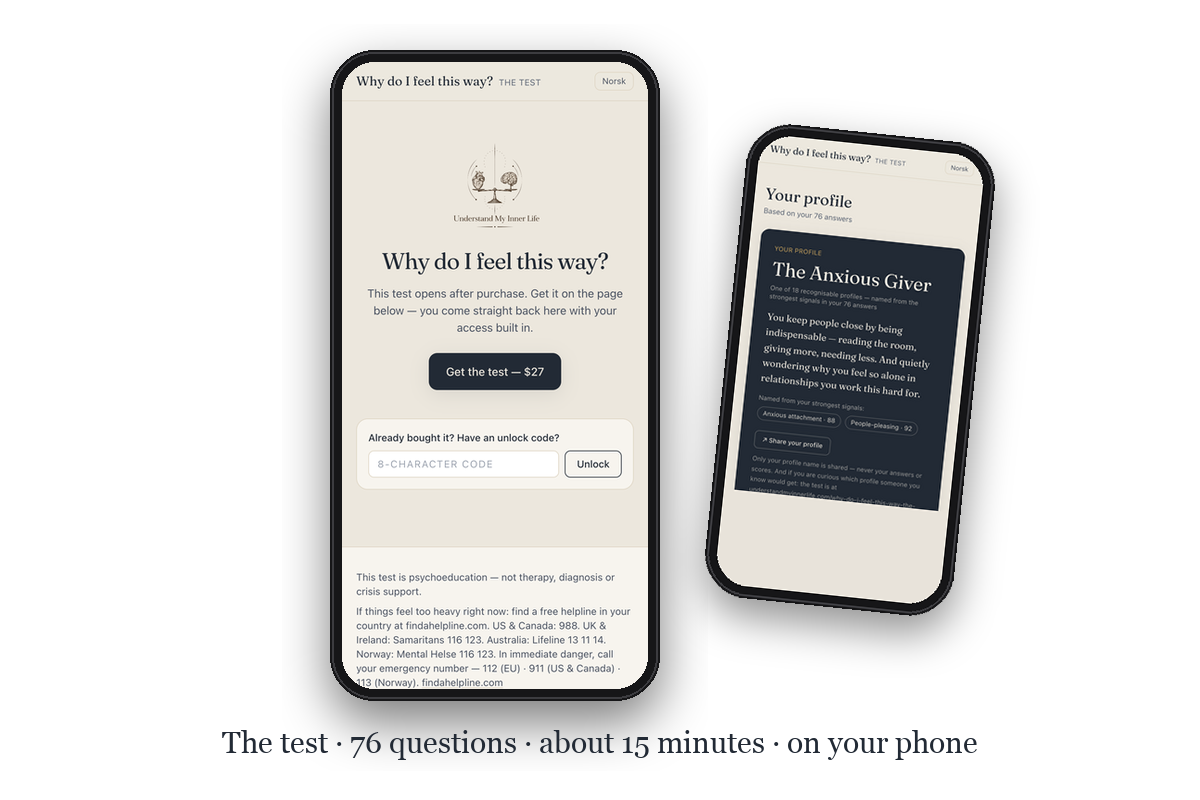
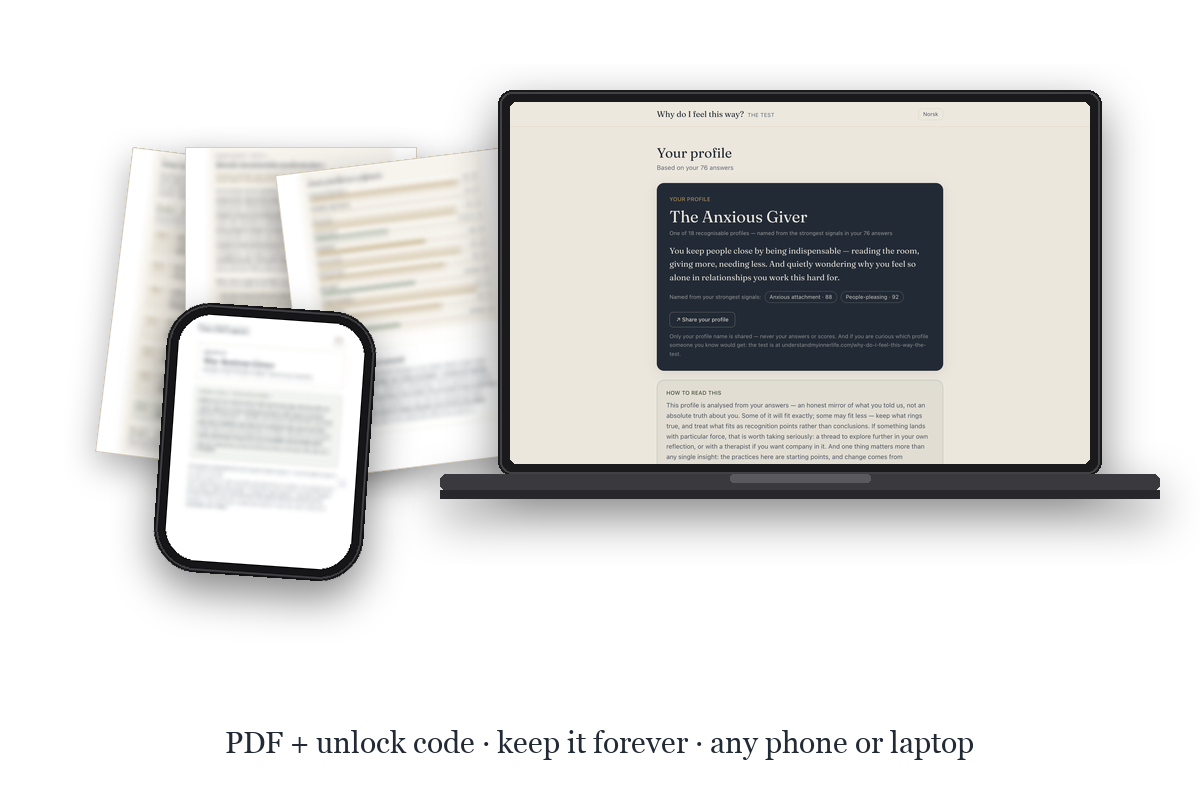
READY TO UNDERSTAND WHY YOU FEEL THIS WAY?
The 15-minute assessment is $27, paid up front. It names your pattern and shows you exactly where to begin.
By practicing the three thought rule consistently, you can help break the cycle of intrusive limerent thoughts and reduce their impact on your emotional well-being. It takes time and effort, but with persistence, you can gradually let go of obsessive thoughts and reduce their impact on your life.
Be kind to yourself as you commit to this process. You are changing pathways in the brain as you do this work. It is not easy, but it is worthwhile. You are profoundly impacting your attachment style for the good.
The Path Forward: Reclaiming Your Nervous System & Your Competence
This is the hardest part, because a part of you (the dopamine-starved part) wants to believe "everything is fine now." It's a trap.
A Critical Insight: Your Core Wound
You may have a core wound related to feeling incompetent or worthless. This functions as a vulnerability that attracts people who delegate their competence to you, which feeds into your need to feel competent. To break this cycle, you must recognize when this core fear is activated.
When you feel incompetent, that is when you're likely to move into limerance, seeking to "help" or "fix" the other person to prove your worth. When this fear is activated, pause and say to yourself: "I know I am competent. This is a core fear. It's not true or real. I can feel it, but I don't need to act on it or do something about it."
Stop thinking of ways you can give to a friend or partner instead of meeting with them authentically. Stop performing. Give yourself space, be authentic, and not only perform.
1. Listen to Your Startle Response
When she suddenly becomes warm and intense, you may flinch. Don't ignore this. Your body is wiser than your heart right now. That startle is your amygdala saying: "Don't trust this. Remember the pain. Protect yourself." This is healthy self-preservation, not coldness.
2. Practice Emotional Neutrality (Gray Rock)
When she reaches out with intensity or gratitude, respond calmly and neutrally. Think: "This is pleasant right now, but I know winter can return tomorrow." Don't throw yourself into her arms. This isn't cruelty; it's boundary-setting. You're protecting your nervous system from another cycle.
3. Remember Task Division (Adlerian Principle)
Her task: Her emotional chaos and need for connection.
Your task: Protecting your own health.
You have the right to say: "I need rest. I'm exhausted from the last months. I can't shift my emotional state as quickly as you do."
4. Observe, Don't Absorb
Watch her mood swings as if you're observing a film. "Interesting, now she's pursuing me. Now she's in chase mode." Try not to let her internal state dictate yours. Seek stability elsewhere, with friends, with yourself, with activities that ground you.
5. Understand What Her "Thank You" Really Means
When she thanks you for "calming her down," she's not expressing love. She's expressing dependence. She's thanking you for functioning as an external regulator because she cannot self-soothe. Like a child who needs a parent to calm them, she's using you as an emotional pacifier. In healthy adult relationships, we comfort each other, but we also tolerate our own distress. She hasn't learned this.
6. Recognize Your Fawn Response
When she cries and follows you, seeking comfort, you may feel compelled to hold her. This is your Fawn response, a survival mechanism where you appease to avoid conflict. Your body feels unsafe (you don't want to), but your mind calculates: "If I hold her, she'll calm down, and this pressure will stop." This is not love; it's capitulation. Recognize it. Name it. And slowly, learn to tolerate her distress without absorbing it.
The Gray Rock Method: This strategy involves becoming as unresponsive and uninteresting as a gray rock. When she seeks emotional engagement, you provide minimal response. This isn't punishment; it's protection. By removing the reward (your emotional responsiveness), you stop reinforcing her dependent behavior. Over time, she either learns to self-regulate, or she seeks that regulation elsewhere.
Self-Regulation Toolkit for Anxious Preoccupied/Fearful Avoidant
These techniques help you regulate your nervous system when you're feeling activated or overwhelmed:
1. Grounding Techniques (5-4-3-2-1)
Identify 5 things you can see, 4 things you can touch, 3 things you can hear, 2 things you can smell, 1 thing you can taste.
2. Body Scan Meditation
Spend 5-10 minutes practicing a body scan. Lie down comfortably and mentally check in with each part of your body. This fosters self-soothing and connecting with the present.
3. Safe Space Visualization
Create a mental image of a "safe space" of a trusted person providing comfort. Spend time visualizing being in the safe space or receiving comfort. This fosters self-soothing.
4. Self-Soothing Affirmations
Create a list of affirmations such as "I have the resources to handle this" or "I will find clarity and support." Repeat them to yourself, especially during moments of distress.
5. Action Plan
Write an action plan for how to handle situations when you feel anxious or triggered. Include steps to take, people to reach out to, or activities to engage in.
6. Breathing Techniques (4-7-8)
Breathe in for 4 seconds, hold for 7 seconds, and exhale for 8 seconds. This helps calm the nervous system.
7. Create a Comfort Kit
Put together a collection of items that bring you comfort, a favorite book, photos of loved ones, or calming music. Use this kit when feeling anxious.
8. Emotional Check-in
Take a few moments throughout the day to check in with your emotions. Ask yourself: "How am I feeling right now?" This builds emotional awareness and reduces overwhelm.
9. Engage in a Creative Outlet
Turn to activities like drawing, painting, or playing a musical instrument when feeling anxious. This can facilitate emotional expression and provide relief.
10. Podcasts or Audiobooks
Listen to supportive content, motivational talks, guided meditations, or educational podcasts, especially during moments of distress to help feel less alone.
11. Physical Anchors
Carry a small object (like a stone) that you can touch when feeling anxious. Associating it with comfort can serve as a tactile reminder of safety.
From the same foundation
Explore more tools
Co-Regulation Toolkit for Dismissive Avoidant/Fearful Avoidant
These techniques help you connect with others and receive support when you're feeling dysregulated:
1. Pause and Breathe
Before reacting, take a moment to breathe deeply. This creates space between the feeling of (over-activation) and your response.
2. Identify Triggers
Keep a journal where you note specific situations that trigger your defensive responses. Understanding your triggers helps you prepare and respond more skillfully.
3. Use "I" Statements
When discussing conflicts, frame your feelings using "I" statements. For example: "I feel overwhelmed when..." instead of "You always..."
4. Implement Time-Outs
Agree with your partner on a strategy for time-outs during conflicts. You might say: "I need to take 20 minutes to cool down. I promise I will return and we can continue talking." This prevents escalation and allows for reflection.
5. Practice Vulnerability
Challenge the belief that you need to be perfect. Share your feelings directly. This can deepen connection rather than distance.
6. Validate Your Partner
Acknowledge and validate your partner's feelings, even if you don't fully understand them. This can help them feel heard and supported.
7. Challenge Negative Thoughts
When you're feeling disconnected or rejected, challenge the thoughts that fuel this feeling. Ask yourself: "Is this thought based on evidence or assumption?"
8. Seek Couples Therapy
If you're in a committed relationship, consider working with a couples therapist who specializes in attachment. This can help both partners understand and support each other's needs.
Love vs. Dependency
There's a fundamental difference between love and dependency, though we often confuse them.
Dependency is the inability to feel whole or function without the certainty of being actively cared for by someone else. It's a parasitic relationship, you need them to survive.
True love is the free exercise of choice. Two people who are fully capable of living independently but choose to build a life together. Love requires expanding your ego boundaries to embrace the full humanity of another person, not just the parts that are easy or convenient, but their growth, their independence, their right to be different from you.
When you're obsessing over someone, it's never a reflection of how good they are. It's always a reflection of how poor your relationship has become with yourself. When you're truly in a space of self-love and wholeness, no one has that much power over you.
The work, then, is not to fix the relationship. The work is to find yourself again. To reconnect with your own needs, your own joy, your own identity, the parts of you that existed before this person, and that will continue to exist after.
Reflection for Your Healing
Take time to write and reflect on these questions. This is not about blame; it's about clarity.
What do I lose by staying in this dynamic?
Your peace, your health, your sense of self, your time, your energy, your potential.
What am I seeking from them that I'm not giving myself?
Your peace, your health, your sense of self, your time, your energy, your potential.
What have I stopped doing in my own life?
Hobbies, friendships, goals, self-care, joy. What can I reclaim?
If I removed myself from this relationship, what would I do first?
This isn't about leaving; it's about imagining your life with agency and choice.
Sources for Information on Limerance
To deepen your understanding of limerance and attachment patterns, consider exploring these resources:
Pia Mellody
Founder of the Meadows Model of recovery. Her work focuses on facing love addiction and codependency.
Marsha M. Linehan
DBT Skills Training Handouts and Worksheets (for self-regulation skills).
The Crappy Childhood Fairy
YouTube Channel (excellent resource on limerance and attachment patterns).
The Anchored Self
theanchoredself.com Comprehensive resources on limerance and recovery.
Concepts to Explore
If you want to deepen your understanding of these patterns, explore these concepts through literature, podcasts, and therapy:
Attachment Theory
• Anxious-Avoidant Trap
• Pursuer-Distancer Dynamic
• Deactivating Strategies
• Protest Behavior
• Secure Attachment
Neurobiology & Limerance
• Intermittent Reinforcement
• Dopamine & Seeking
• Cortisol & Hypervigilance
• Amygdala Hijacking
• Fantasy vs. Reality
Consider working with a trauma-informed therapist who specializes in attachment patterns and limerance. Your nervous system has been dysregulated; professional support can help you rebuild safety within yourself and break free from cycles of obsessive attachment.
Life as a Container Ship: Building Self-Complexity
The balance between inner and outer focus is lost when you develop dependent tendencies in relationships. Consider visualizing this concept by examining the external and internal dimensions of life. The external includes things we cannot be 100% certain of achieving or avoiding, things not entirely within our control, such as a healthy body, sufficient money, status, food, friends, and family. Many Stoics view these as indifferents, believing they do not lead to an ethically worthy life.
Internal focus refers to an individual's self-determination over thoughts, feelings, motivations, and intentions, what occurs within one's inner world and soul. The Stoics emphasize that these inner aspects must align with nature's principles (reason, justice, and integrity) to achieve a good life.
Imagine your life as a large container ship, loaded with containers representing different areas of your life's focus. A balanced ship carries containers representing both the external and internal. We do not want to be completely indifferent to the external, as having some of it in place results in a more comfortable life.
But what happens if you place all your valuable containers in one section of the ship? If that one relationship, job, or friendship suddenly encounters a storm, your entire sense of wellbeing sinks. You've neglected all the other containers, your hobbies, your creative pursuits, your friendships, your personal growth, your self-care.
Self-complexity is like having multiple different hobbies, roles, or sides to yourself. Some see themselves as a good friend, a creative soul, an enthusiastic athlete, and a handy person at home. This varied self-image functions like multiple safety nets. If things go badly in one area, say, a difficult time at work, you still have these other parts of your life holding you up and reminding you that you are more than just your job.
A balanced ship has a good mix of everything. You care about the external, your job, your friends, your health, but you also tend to your internal world: your thoughts, your feelings, your values. When you have this balance, you can weather life's storms. It's like having multiple support pillars. If one wavers, you still have many others holding you up.
Building a rich and varied self-perception, what we call self-complexity, is like adding more and more containers to your life's ship. When you have a broad spectrum of interests, roles, and sides to yourself, you spread the risk. It's like diversifying your investments: if one goes down, the others keep you afloat.
For example, imagine you've worked hard to be a good friend, a dedicated worker, a creative creator, and an enthusiastic athlete. If you suddenly lose your job, it will certainly be difficult. But it's not the end of the world. You still have your friendships, your creative passion, and your athletics as sources of joy and meaning. This diversity in who you are and what you value functions as a safety net. Even if one part of your life feels like it's in free fall, the other parts can provide support and perspective, helping you find your footing again.
Having rich self-complexity also means you can see yourself from many different angles. You are not just an employee, a partner, or a friend; you are all of these and more. This broad view of yourself can help you better handle stress and setbacks because you know you are more than the sum of your parts. Your value is not tied to just one identity or role. If one part of your life isn't going well, you know you have many other aspects of yourself that can still flourish and bring you satisfaction.
Reflection Questions for Balancing Your Ship:
• How do you prioritize between the external and internal in your life? Do you have a healthy balance between focusing on your inner aspects (thoughts, feelings, intentions) and the external (relationships, career, material things)?
• Which containers represent the inner aspects of your life? Are there any areas you feel need more attention to maintain balance?
• How do you load your own "container ship"? Do you tend to overfocus on some areas and neglect others? How can you even out the load to create a more balanced existence?
• How do you distinguish between showing care and taking active responsibility for others in your relationships? Have you experienced imbalance in your approach to support and care?
• How do you balance supporting someone and letting them take responsibility for their own choices and challenges? Do you have examples of finding this balance, or have you struggled with it?
Life is in constant movement, it is one of life's rules. Therefore, you have influence over how you load your own container ship and balance the objects on each side of the scale. Your wellbeing depends not on having one perfect container, but on having many containers that together create resilience, meaning, and stability.
A Final Word
You can love someone and still need to leave. You can understand their pain and still protect your own. You can recognize their humanity and still refuse to be their emotional regulator. These are not contradictions; they are acts of wisdom.
The path forward isn't about fixing them or proving your love. It's about finding yourself again, the person who existed before the obsession, and who will thrive after. Your nervous system is asking for rest. Your body is asking for safety. Your soul is asking to come home to yourself.
Listen to it.
THE FULL COURSE · FROM $297
Where to take this next
Most of what goes wrong between two people is emotion regulation going badly under pressure, not a shortage of love. The course includes a module on communication for exactly that.